Yes. Teeth grinding and jaw clenching can contribute to headaches, facial pain, and sometimes neck or shoulder discomfort.
Bruxism involves repeated grinding or clenching of the teeth, often during sleep or periods of concentration. Over time, excessive jaw muscle activity may lead to muscle fatigue, tenderness and pain that extends beyond the jaw.
How Does Teeth Grinding Affect Your Head and Neck Muscles?
The jaw works closely with muscles around the head and neck. When these muscles become overloaded, discomfort may develop in several areas.
The main muscles involved include:
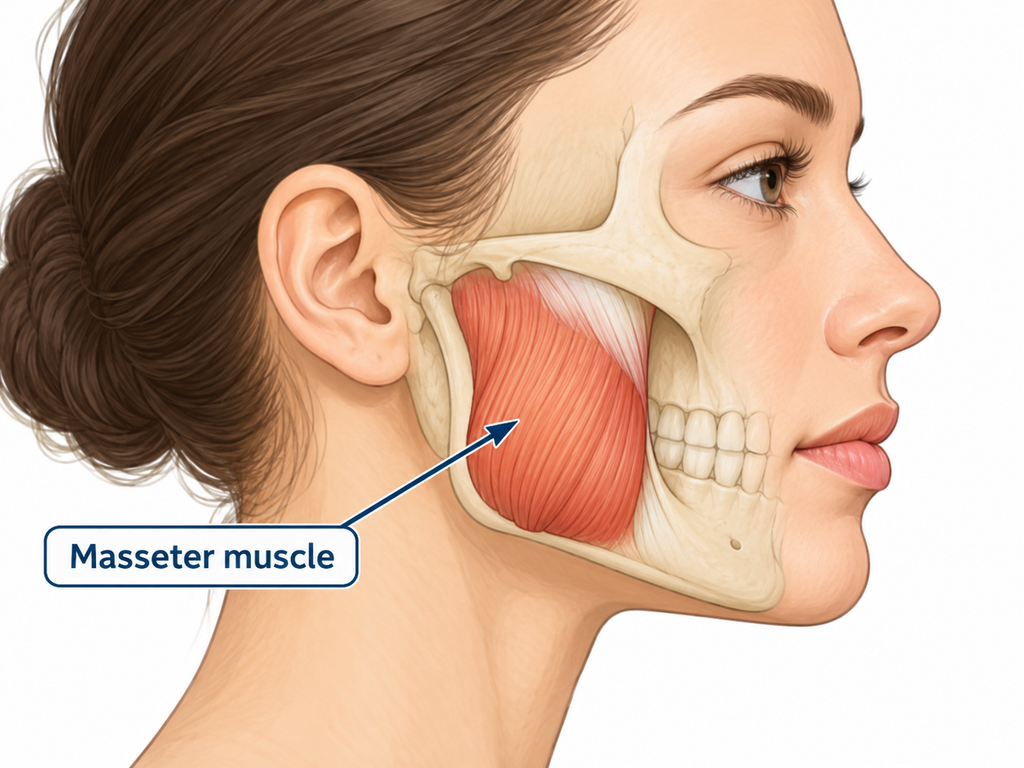
- Masseter: Located along the cheeks and jaw, commonly associated with jaw soreness and facial pain.
- Temporalis: Located around the temples, often associated with temple headaches.
- Pterygoid muscles: Deep jaw muscles involved in jaw movement and coordination.
- Neck and shoulder muscles: Including the sternocleidomastoid and trapezius, which may also be involved in associated neck tension.
Jaw and neck muscle symptoms can occur together, although neck pain is not always caused by teeth grinding.
Common Symptoms of Bruxism-Related Muscle Pain
Muscle discomfort may develop gradually, and patients are not always aware that they grind or clench their teeth.
Common symptoms include:
- Headaches around the temples, particularly in the morning
- Jaw soreness, facial tightness or fatigue when chewing
- Neck stiffness and shoulder discomfort
- Pain around the ears or sides of the face
- Tender jaw muscles or difficulty opening the mouth comfortably
Some patients experience referred pain, where discomfort originating from a jaw muscle is felt elsewhere, such as around the temples, ears or teeth.
Symptoms that worsen during chewing or clenching may suggest a jaw-muscle component, but headaches and neck pain can have other causes.
How Can These Symptoms Be Treated?
Effective management involves identifying whether the main concern is teeth grinding, muscle pain, or a combination of both.
1. Managing Teeth Grinding
Custom-Made Night Guards
An occlusal splint can help protect teeth from wear, fractures and excessive grinding forces. However, night guards do not necessarily reduce how frequently or intensely a person grinds their teeth.
Reducing Daytime Clenching
Improving awareness of unconscious clenching, maintaining a relaxed resting jaw position and managing contributing factors such as stress may help reduce unnecessary muscle activity.
2. Managing Muscle Pain and Tension
When muscle discomfort is present, treatment may include:
Physiotherapy and Jaw Exercises
Targeted exercises, stretching and manual therapy may help relieve muscle tension and improve jaw and neck movement.
Heat Therapy and Massage
Gentle heat and massage may provide temporary relief from muscular tightness and soreness.
Dry Needling
Dry needling may be considered for selected patients with persistent myofascial pain.
Botulinum Toxin Injections
In selected cases, botulinum toxin may be considered to reduce excessive jaw muscle activity. However, it is not routinely recommended as a first-line treatment.
When Should You See a Dentist?
If you frequently wake with headaches, experience persistent jaw tightness, or notice neck discomfort alongside jaw symptoms, a dental assessment may help identify a contributing muscular problem.
Your dentist can examine the teeth, jaw joints, surrounding muscles and jaw movements to determine whether bruxism or temporomandibular disorders (TMD) may be contributing to your symptoms.
Treatment can then be tailored to protect the teeth, manage muscle discomfort and address any contributing factors.
New, severe or unusual headaches, especially those accompanied by neurological symptoms, should receive medical assessment.
Final Thoughts
Teeth grinding can affect more than your teeth. Repeated jaw muscle activity may contribute to headaches, facial pain and neck discomfort.
Understanding whether the discomfort comes from the teeth, jaw joints or surrounding muscles is the first step towards appropriate treatment.